
Inspect tire tread condition on mobile
Digital Tire Inspection Powered by AI
Perform digital tire inspections with a smartphone. Identify tires, check their age, and measure tread depth instantly.
Anyline is trusted by
























Anyline is trusted by




















Turn Tire Inspection Into a Competitive Advantage
Anyline transforms tire inspections into fast, objective, and dependable digital assessments, giving teams clearer insights, smoother workflows, and the confidence to keep vehicles safely on the road.

Tire Sidewall Scanning
Capture every critical tire detail in seconds

Digital Tire Reports
Automatically generate clear & shareable inspection reports
One Tire Inspection Solution
Three Ways to Deploy
TireBuddy
App
App
Ready-to-use mobile app designed for garages, dealerships & service centers with 10+ locations.
What is included:
-
Out-of-the-box mobile app for Android and iOS
-
Complete Tire inspection capabilities including VIN, Odometer, License Plate identification and Tire Sidewall
-
Limited configuration options within the app
-
Customizable look & feel
-
Support coverage according to standard or premium SLA
-
Tire inspection report
Learn More
TireBuddy
ToolKit
ToolKit
Fully customisable SDK tailored for enterprise- deep integration into their apps & workflows
What is included:
-
Enterprise-grade integration into existing apps & workflows (Android, iOS, cross-platform wrappers)
-
-
Seamless in-app configuration via SDK
-
-
Standard or Premium enterprise SLA with dedicated account management
-
No tire inspection report
Learn More
Automotive Software
Partners
Partners
Anyline’s tire-inspection tools are also available through partner integrations, including leading DVI, VHC, MPI, and tire-storage platforms.
-
-
Users can run digital tire inspections directly within their preferred DVI, VHC, MPI, or tire-storage software
-
No additional setup, no extra tools, and no workflow disruption
Find a Partner
TireBuddy
App
App
Ready-to-use mobile app designed for garages, dealerships & service centers with 10+ locations.
What is included:
Learn More
-
Out-of-the-box mobile app for Android and iOS
-
Complete Tire inspection capabilities including VIN, Odometer, License Plate identification and Tire Sidewall
-
Limited configuration options within the app
-
Customizable look & feel
-
Support coverage according to standard or premium SLA
-
Tire inspection report
TireBuddy
ToolKit
ToolKit
Fully customisable SDK tailored for enterprise- deep integration into their apps & workflows
What is included:
Learn More
-
Enterprise-grade integration into existing apps & workflows (Android, iOS, cross-platform wrappers)
-
-
Seamless in-app configuration via SDK
-
-
Standard or Premium enterprise SLA with dedicated account management
-
No tire inspection report
Automotive Software
Partners
Partners
Anyline’s tire-inspection tools are also available through partner integrations, including leading DVI, VHC, MPI, and tire-storage platforms.
Find a Partner
-
-
Users can run digital tire inspections directly within their preferred DVI, VHC, MPI, or tire-storage software
-
No additional setup, no extra tools, and no workflow disruption
Capture and Digitize Tire Data
in Seconds
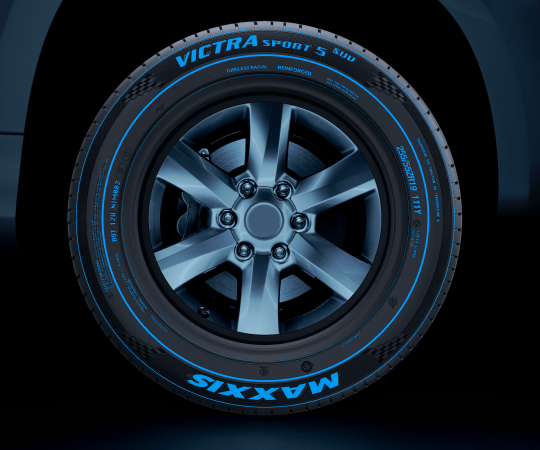
Replace manual tire checks with AI-powered tread depth measurement and sidewall scanning. Instantly capture tire age, TIN, size, make, model, and tread depth with dependable accuracy, even on worn or low-contrast surfaces. Anyline helps teams inspect more tires with less time and effort.
Request a Demo
Automotive AI With
Built In Data Protection
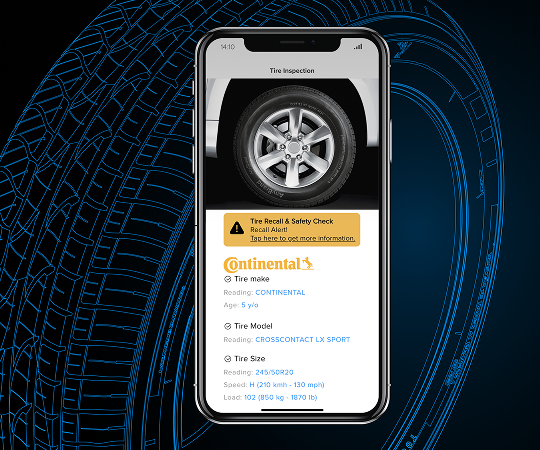
Anyline’s automotive AI delivers accurate tire insights while keeping data safe. Wherever inspections take place, your data remains protected and under your control.
Talk to an Expert

Add Digital Tire Inspection
in Your Workflow
Integrate Anyline’s solution using our TireBuddy App or ToolKit (SDK) into your existing mobile app, compatible with iOS, Android, and cross-platform frameworks.
Start Testing Now